By Miles March · Published · 6 min read
In this article
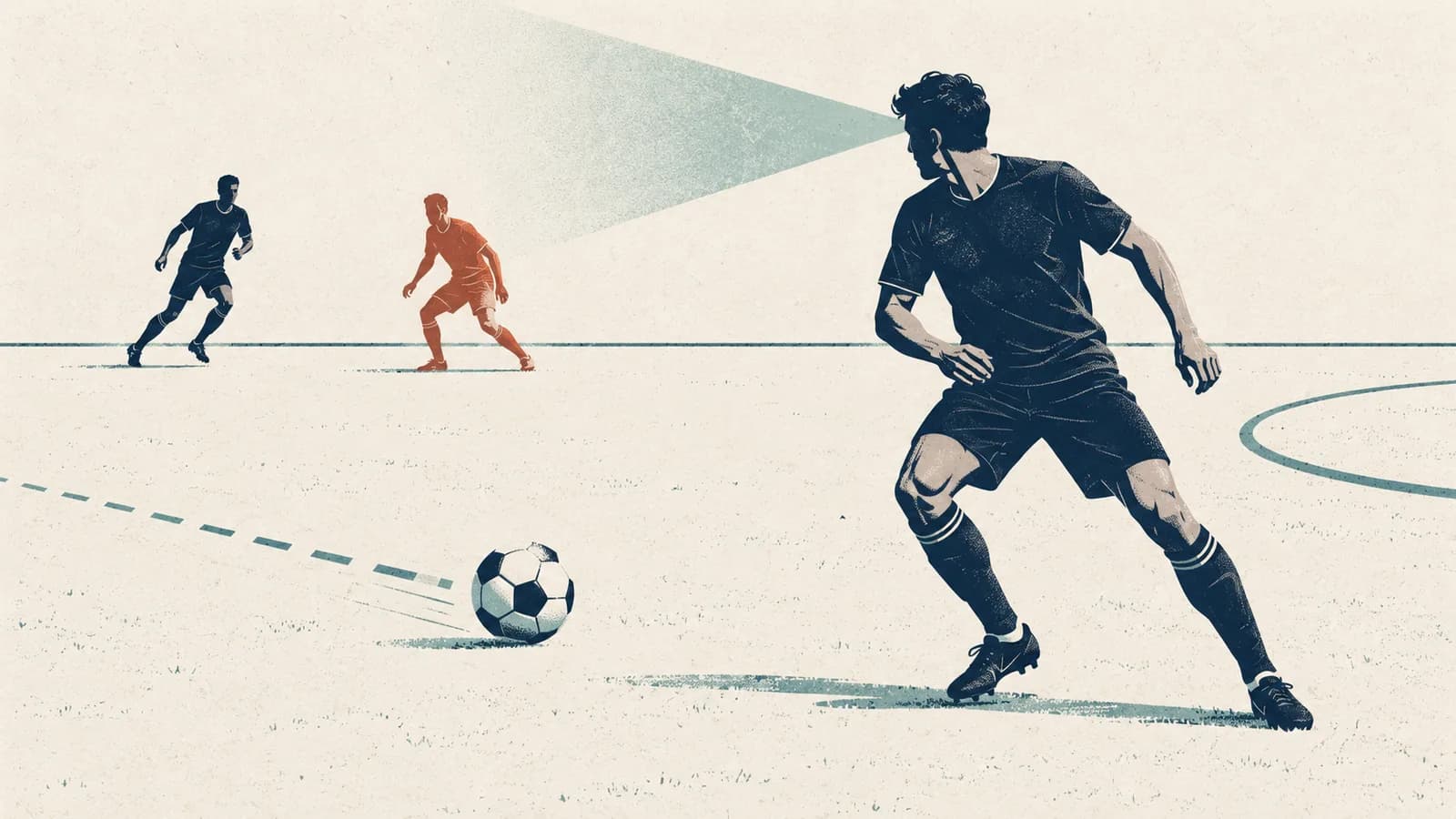
A defender can be back without being ready. This is an awkward distinction for anyone who has spent the afternoon shouting that everybody should get back. Bodies count. So do the direction they face, the runner they can see and the next movement they have time to make.
Hull City’s 2–2 draw with Everton at the MKM Stadium on Sunday 11 October provides three small studies of that problem. Everton’s equaliser asks a crowded penalty area to defend another delivery. Their second goal suddenly gives retreating players a race to run. Hull’s reply changes the point of attack again. Football continues to find work for people who thought they had finished their previous job.
This is a study of selected sequences from Everton Football Club’s official extended highlights, not a full-match replay or a claim to have watched all nine minutes continuously. The result, scorers and goal minutes come from the league’s official report. The descriptions below come from directly checked video frames and selected passages of playback. The question is narrow: why can defensive numbers fail to become defensive control?
References:[1] Premier League match centre[2] Everton Football Club: Hull City 2–2 Everton — EXTENDED Premier League highlights
A second delivery is a second problem
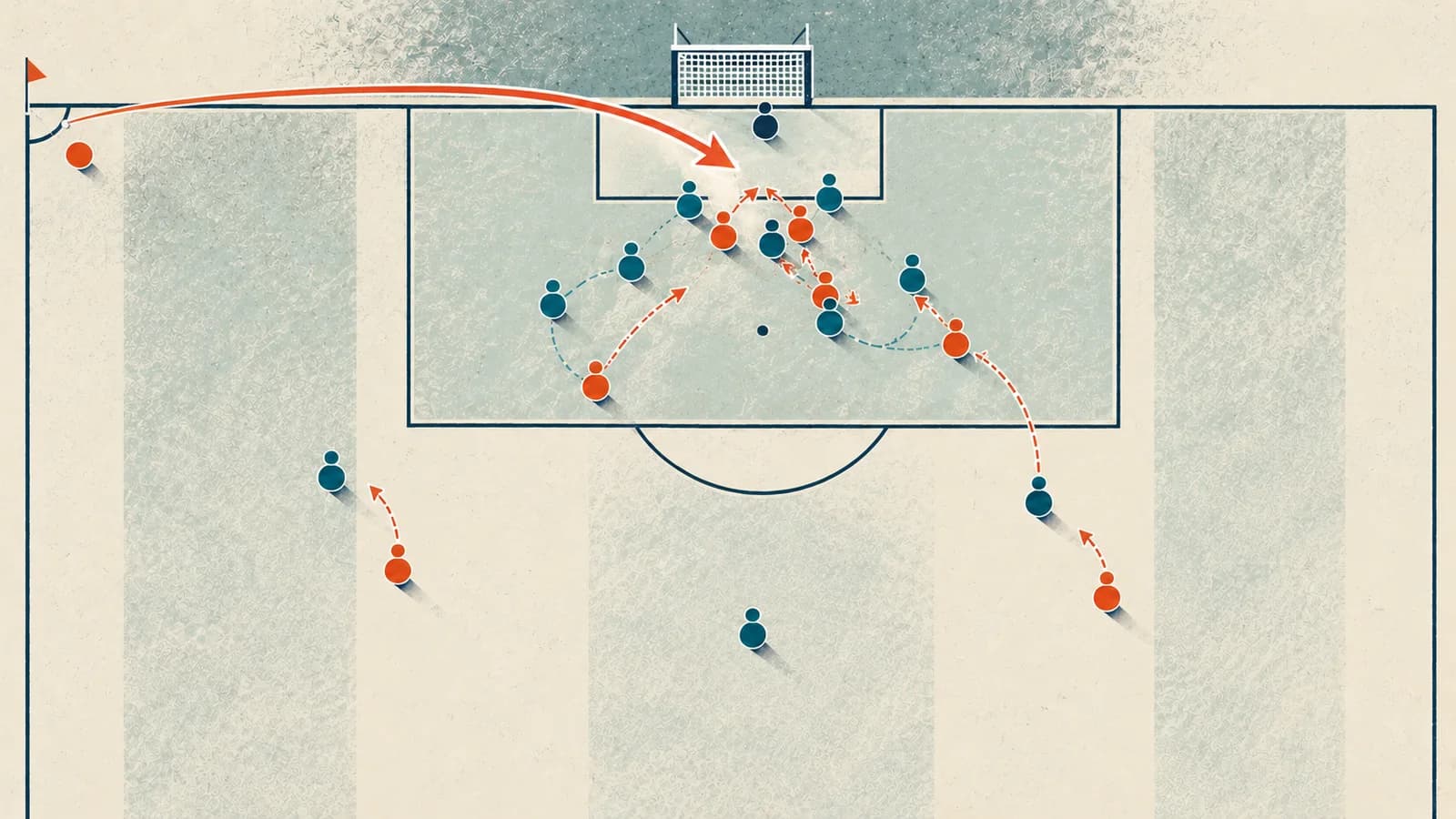
Begin at 06:43 in the clip, with Hull leading 1–0. Everton have the ball outside the right edge of the penalty area. Hull have several players between the attackers and the goal. A still photograph here would offer the comforting appearance of sufficient staff. Unfortunately, the photograph is about to expire.
By 06:48 the ball has travelled across the area to Everton’s opposite side. The camera shows a white-shirted player wide on that flank, central attackers among the defenders and another Everton player on the side the ball has left. At 06:53 the next delivery has reached the goalmouth. Dewsbury-Hall is the scorer identified in the official report, which records his header in the 55th minute.
The mechanism is the extra adjustment. Defending the first ball does not settle who will receive the next one. Players must turn, locate the new delivery point and keep an attacker in view. That is our reading of the visible sequence, not proof that a particular defender forgot an instruction. The footage cannot tell us what anyone was told.
Nor is this an argument that crosses magically defeat numbers. The attack has several possible receiving positions, and the second delivery changes which of them matters. For the viewer, the interesting pause is before it comes back across: who can still see both the ball and the next receiver?
References:[1] Premier League match centre[2] Everton Football Club: Hull City 2–2 Everton — EXTENDED Premier League highlights
The same question, much less time
The second Everton goal begins with a very different picture. At 07:45, with the score 1–1, Hull are in possession around midfield. The selected frames then show Everton moving forward with the ball and Hull players turning to recover. At 07:55 Barry is advancing towards the penalty area, ahead of the nearest chasing defenders, with the goalkeeper in front of him.
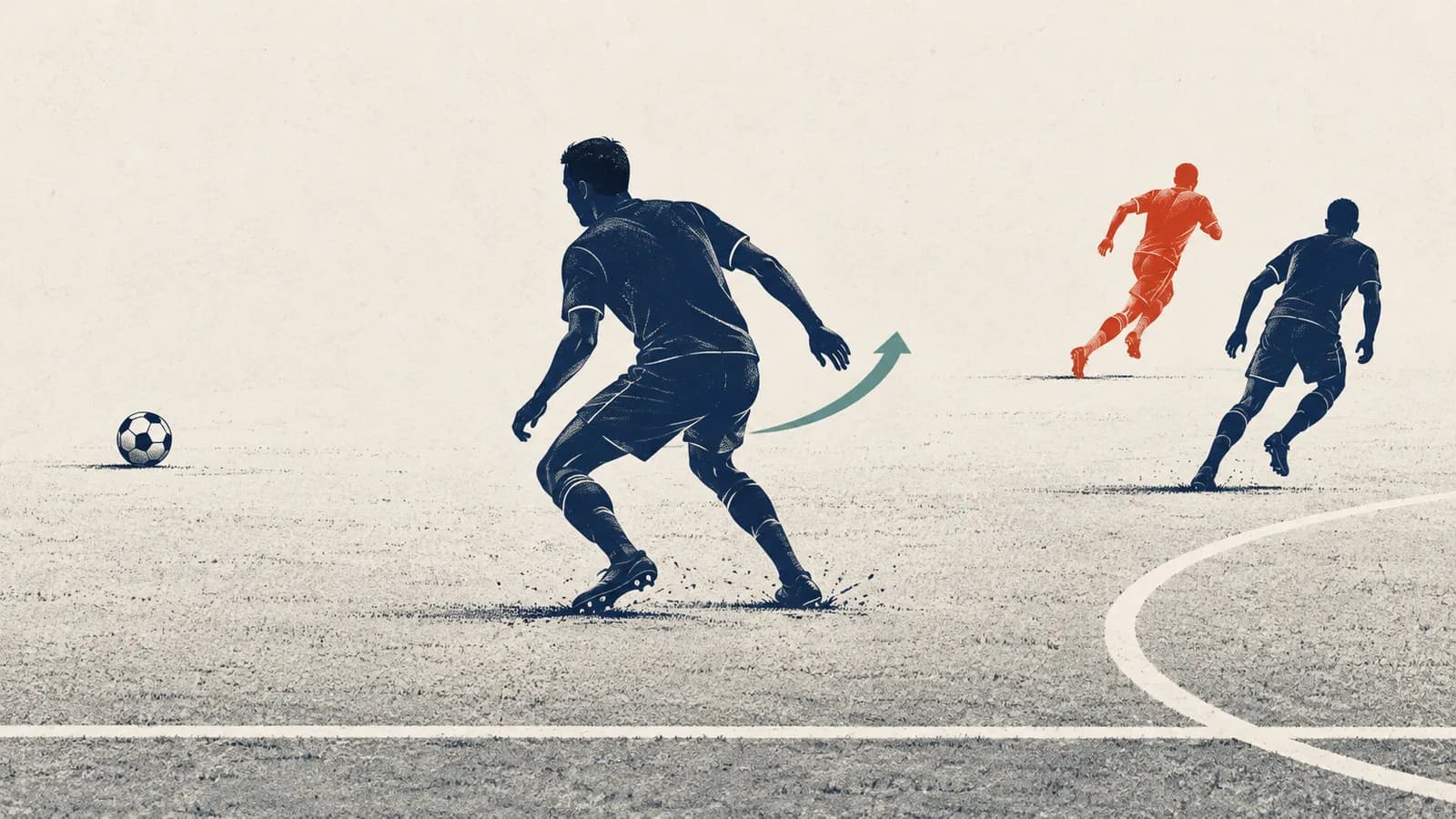
The league report supplies the identity of the initial error and intervention: Thomas’s pass was intercepted by Dewsbury-Hall, and Barry went through to score in the 68th minute. Those are attributed match facts. The visual point is the change in the defenders’ job. A moment earlier they were supporting possession. Now they need to protect the space towards their own goal.
Compare that with the equaliser. There, Hull had bodies in the area but another delivery to reorganise around. Here, the attack has space to advance before the recovering players can get goal-side. The common difficulty is time to adjust, rather than a single formation or a universal rule about where every defender should stand.
It would be easy to call this evidence of an Everton pressing masterplan. The clip does not establish one. It shows a turnover and what happened next, without giving us the unsuccessful attempts or enough of the preceding possession. One visible interception is not a pressing rate. A good outcome need not arrive carrying a complete theory of its origins.
References:[1] Premier League match centre[2] Everton Football Club: Hull City 2–2 Everton — EXTENDED Premier League highlights
Hull had an answer of their own
If the story stopped with Barry, it might become a neat little account of Everton solving Hull. The final score objects. At 09:10 in the package, with Everton leading 2–1, Hull’s attack is on the left and Everton players are closing towards the ball. By 09:15 the action has moved inside the penalty area, with white shirts concentrated around it and a Hull player available farther back towards the edge of the box.
The league report identifies Stroud’s run and the ball set back for Belloumi, who equalised in the 74th minute. The checked frames around 09:16 show the central shooting phase and its outcome. We are not measuring the separation between players, or claiming the broadcast captures every run. What is visible is that Everton have players near the ball, but the sequence still ends in a shot.
Hull’s attack is closer and more contested than Barry’s breakaway. The lesson is not that the same pass solves every defence. Here the useful question is which defender can interrupt the next touch once the wide runner has carried the ball inward. That requires reading a sequence, rather than admiring a freeze-frame with enough white shirts. The supporting option farther back is visible; these sampled frames do not establish it as the route used for the finish.
Hull’s response also keeps the analysis honest. Both teams created situations in which the opposition had to change its task quickly. The footage supports examples of that mechanism; it does not support declaring one side tactically superior for the entire afternoon.
References:[1] Premier League match centre[2] Everton Football Club: Hull City 2–2 Everton — EXTENDED Premier League highlights
Watch the next task, not just the current one
Try the following viewing habit in the next match. When the ball goes wide, keep one eye on the likely receiver rather than following it all the way to the touchline. When possession changes, watch the nearest recovering defender. Are they already facing their goal, turning to run or trying to locate an opponent? After a dribble attracts pressure, look for the teammate who has stayed outside the crowd.
These are questions, not grades. The broadcast may cut away, and the decisive movement may have started off screen. In this study, selected frames help us compare three attacks; they cannot recover everything the edit removed. No whole-match pressing, spacing or player ratings follow from them, and nothing here changes Sensible Stats forecasts.
The useful distinction is between being present and being prepared. Getting back is a start. Being ready for the next pass is the rest of the occupation. Defenders, like the rest of us, would probably appreciate a little more notice.
References:[2] Everton Football Club: Hull City 2–2 Everton — EXTENDED Premier League highlights[1] Premier League match centre
Sources and evidence
- Hull City v Everton: official match report, 11 October 2026
Premier League · Premier League match centre · · Official match report
- Everton Football Club: Hull City 2–2 Everton — EXTENDED Premier League highlights
Match facts and attributed observations come from the sources above. Tactical interpretations are Sensible Stats analysis.
Video evidence and viewing scope
Hull City 2-2 Everton | EXTENDED Premier League highlights · Everton Football Club (verified official YouTube channel) · Extended highlights · Accessed
- Clip 06:43–06:53 · Match 55′ (official report): Selected frames show right-side delivery setup, play on the opposite flank and the subsequent goalmouth phase. Several defenders and central attackers remain in the box. The report identifies Dewsbury-Hall as the equalising scorer.
- Clip 07:45–08:00 · Match 68′ (official report): Hull possession around midfield changes to Everton advancing; Barry is ahead of chasing defenders towards the penalty area. The sequence ends in his celebration. The report verifies the interception and goal.
- Clip 09:10–09:20 · Match 74′ (official report): Hull attack from the left, Everton close towards the carrier, the play moves centrally with a deeper supporting option, and the shooting outcome is visible around 09:16. The report supplies Stroud and Belloumi identities.