By Miles March · Published · 6 min read

In this article
At the Stadium of Light, a cross reached a Chelsea head before Sunderland scored. Another did so in stoppage time, with Chelsea a goal down. Neither went in. The details belong to two different jobs. In the first, a player on the right had to buy himself room to deliver. In the second, the ball was already waiting for someone to kick it. What Chelsea needed in both cases was a receiver who could do more with the delivery than reach it.
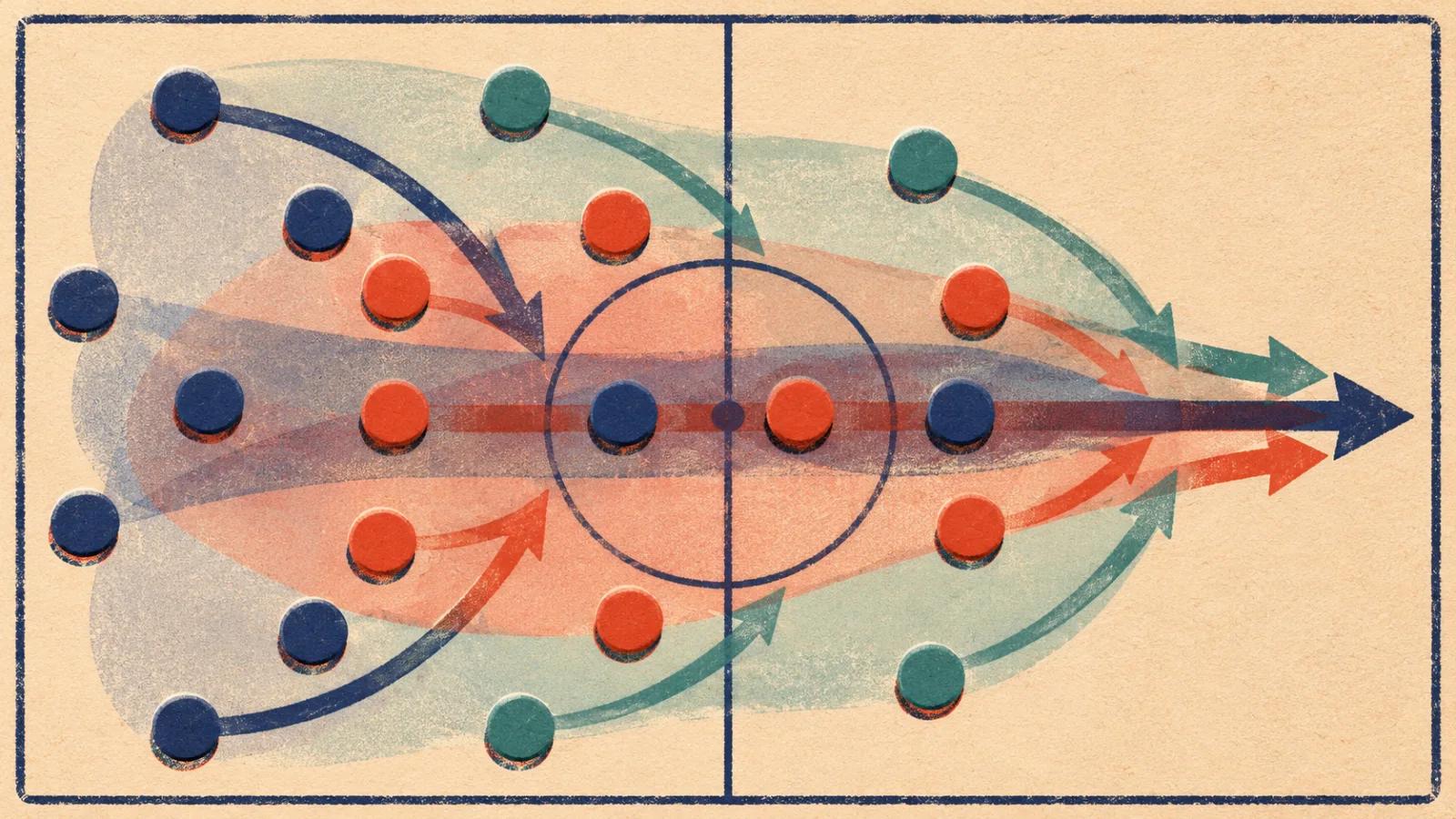
The useful decision for a coach is when to vary the runs in the box. Send everyone early and the crosser knows where to look, but defenders have bodies to follow. Hold one runner back and that player may arrive with room to direct the ball, or simply arrive after it. We checked two sequences and replay angles in Sky Sports’ short highlights of Sunderland’s 1–0 Premier League win on 8 November. The club reports supply the identities and other match context. This is a look at two arrivals, not a count of Chelsea crosses.
References:[2] Sky Sports: Sunderland 1-0 Chelsea | Premier League highlights[1] Chelsea FC · Premier League[3] Sunderland AFC: Sunderland defeat Chelsea at the Stadium of Light
Buying a delivery
Around 00:54 in the edit, Chelsea have the ball on their right. A Sunderland player is close enough to make the wide player deal with him before crossing. In the frame a few seconds later, the Chelsea player has carried the ball towards the side of the area. The defender is still nearby. Sunderland shirts are already inside the box. Some have a better view of the ball than we have of the whole attack.
Chelsea’s report identifies Marco Palestra as the crosser and Morgan Rogers as the man who heads off target. The broadcast labels the chance at 25 minutes, with the game still goalless. In the replay around 01:04, Rogers is up in the air and the ball is high in front of him. There are striped shirts around the receiving area. That is enough to separate two accomplishments: Palestra gets a delivery away under attention, and Chelsea get a header. Getting the header on target is a further piece of work.
The thing to watch from the sofa is the last touch before the cross. If it takes the ball outside the defender, the forward has a cue to go. If the crosser still has to take another touch, a runner who has already gone may find himself standing next to the person he was trying to escape. The edit cannot tell us which cue Rogers used or whether Sunderland made the header harder. It does show that the wide player and the receiver are working to different clocks.
References:[2] Sky Sports: Sunderland 1-0 Chelsea | Premier League highlights[1] Chelsea FC · Premier League
A ball that could wait
Enzo Le Fée’s first-half penalty gave Sunderland something to keep. Chelsea’s report says Xabi Alonso added Estêvão at the interval and brought on Danny Welbeck and Malo Gusto after the break. It also describes two passes from Rogers through the defence that threatened to release Estêvão and Cole Palmer. Those are reported alternatives to going wide. They matter because a short edit can make a team look as though it spent the afternoon trying the same door.
The stoppage-time free kick begins with the ball stationary on the near side of the pitch and a group already gathered near the edge of the box. At 02:56, the kick is in flight and Sunderland and Chelsea shirts overlap at the front of that group. By 02:58, bodies from both sides are much nearer goal. The broadcast marks 90+3. Chelsea’s report identifies Welbeck and says his header went over. The sampled wide frames show the crowd moving in. The report gives us the final touch.
A free kick has one advantage over Palestra’s cross: nobody has to dribble past a defender to get it away. The defender gets something in return. With the ball set, there is time to look across the line and see who has come to the meeting. Here Chelsea still get a head to the delivery. Sunderland still have to wait for the ball to go over. A clean sheet makes the story tidier than the last few seconds looked.
References:[2] Sky Sports: Sunderland 1-0 Chelsea | Premier League highlights[1] Chelsea FC · Premier League[3] Sunderland AFC: Sunderland defeat Chelsea at the Stadium of Light
Which arrival was useful?
Our pitch-control review asked who can get to a patch of grass in time and what they can do when they get there. The recent pass-value piece asked what changed once a completed ball reached its destination. Both questions travel well to a cross, provided we leave the numbers behind. Contact can show a runner got there in time. It leaves open whether they could shape the header, whether a teammate was better placed and what would happen if a defender got there first.
Start with the runner who has not yet joined the group. Is there a lane for that player to run into when the ball leaves the foot? Is there another attacker already taking a defender towards the near post? If both runs finish in the same patch, the extra shirt may give the crosser little extra to aim at. If nobody goes early, the delivery can travel through an inviting space with no one to meet it. These are things to look for on the next cross. The two clips give neither the defenders’ instructions nor a reliable view of all available runs.
References:[2] Sky Sports: Sunderland 1-0 Chelsea | Premier League highlights[4] Sensible Stats: Useful space and the time it takes to reach it[5] Sensible Stats: Completion is a modest ambition
Give one runner a different clock
Here is an untested comparison for a coach working with wide players and forwards. In a crossing game before a match, start with the team’s usual runs against live defenders and a keeper. Repeat from comparable wide positions, alternating the usual pattern with one change: have the first runner keep the usual route and let a second start later, as the crosser plants their standing foot. Use the kicker’s first approach step as the cue at rehearsed free kicks and log those separately. The cues differ and one can flatter the other.
Give defenders the same chance to win it and play out in both versions. For each attempt, record whether the ball was delivered, who made first contact and whether an attacker directed a shot on target. Keep blocked deliveries, untouched balls and defensive clearances in the count. If the later runner gets more contacts but fewer directed attempts, that is a reason to look back at where the contacts happened before giving anyone a new instruction. The next cross might need a different run. It might just need a better cross.
References:[2] Sky Sports: Sunderland 1-0 Chelsea | Premier League highlights[5] Sensible Stats: Completion is a modest ambition
Sources and evidence
- Match report: Sunderland 1-0 Chelsea
Chelsea FC · Chelsea FC · Premier League · · Official match report
- Sky Sports: Sunderland 1-0 Chelsea | Premier League highlights
- Sunderland AFC: Sunderland defeat Chelsea at the Stadium of Light
- Sensible Stats: Useful space and the time it takes to reach it
- Sensible Stats: Completion is a modest ambition
Match facts and attributed observations come from the sources above. Tactical interpretations are Sensible Stats analysis.
Video evidence and viewing scope
Sunderland 1-0 Chelsea | Premier League highlights · Sky Sports · Highlights · Accessed
- Clip 00:54–01:04 (including replay) · Match 25 (Sky on-screen marker), 0–0: Decoded 00:54 and 00:57 frames show the Chelsea wide player taking the ball towards the right edge of the box with a Sunderland defender close. At 01:04 replay, a Chelsea attacker is airborne near defenders with the ball above. The official Chelsea account identifies Palestra and Rogers and the off-target header. Exact space and defensive effect unmeasured.
- Clip 02:56–02:59 · Match 90+3 (Sky on-screen marker), 1–0: Decoded 02:56 frame shows wide free kick struck, with a clustered group moving around the edge of the box. At 02:58–02:59 both sets of shirts are closer to goal and react after the delivery. The official Chelsea account identifies Welbeck’s header over. Individual marking assignments and exact contact are not established by the sampled wide frames.